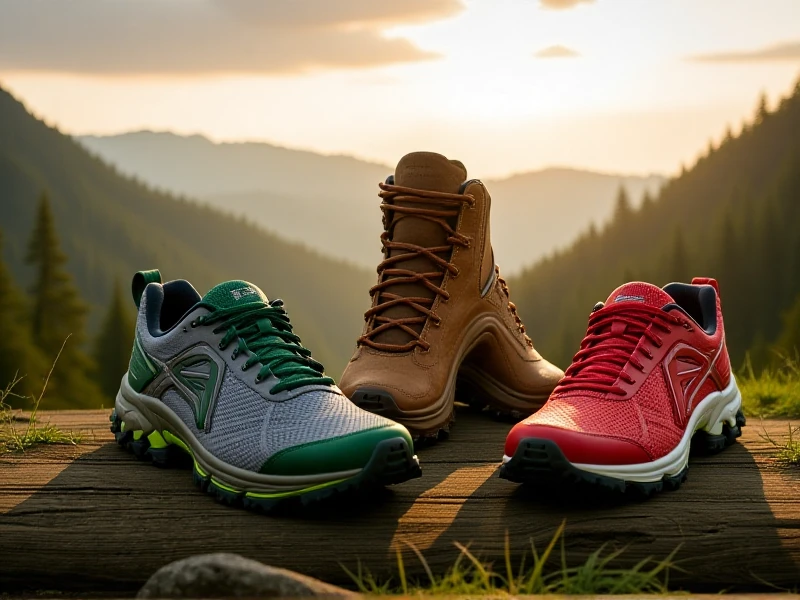
Beat the Trails: 5 Must-Have Features in Your Next Pair of Trail Shoes
SEO Article: Trail Shoes - Your Essential Guide to Off-Road Performance
Crunching gravel, gripping muddy slopes, navigating rocky ledges – trail running demands shoes built for battle. Unlike road runners, trail shoes protect your feet while delivering stability on unpredictable terrain. When choosing your next pair, prioritize these performance-defining features:
1. Aggressive Outsoles:
Deep, multi-directional lugs (6-8mm) are non-negotiable. Look for sticky rubber compounds like Vibram® Megagrip for wet rocks and muddy ascents. Widely spaced lugs prevent mud clogging, ensuring constant traction.
2. Strategic Protection:
Hidden rock plates shield your forefoot from sharp stones underfoot. A reinforced toe bumper guards against roots and debris. Without these armor elements, technical trails become punishing.
3. Secure Foot Lockdown:
Uneven ground demands a precise fit. Seek heel counters with sculpted collars and gusseted tongues to keep debris out. Midfoot overlays or internal wings should anchor your foot against lateral slippage during steep traverses.
4. Balanced Cushioning:
Moderate cushioning (12-20mm offset) absorbs impact without compromising ground feel. Responsive midsoles like EVA blends offer rebound on long runs. Overly soft stacks reduce stability—precision matters more than plushness off-road.
5. Rugged Durability:
Abrasion-resistant mesh uppers endure brush and scree. Reinforced stitching and welded overlays extend lifespan. Verify water drainage ports if tackling stream crossings—fast-drying materials prevent water-logging.
Why Trail Shoes Triumph Over Road Runners:
Road shoes lack the grip and protection needed for wilderness routes. Trail-specific variants include:
- Stability-Focused: Wider platforms for rough descents (e.g., Salomon Speedcross)
- Lightweight Agile: Minimalist designs for fast-packers (e.g., Altra Superior)
- Waterproof Versions: Ideal for wetland hikes (e.g., Merrell Moab Adventure)
Pro Tip: Test fit with hiking socks and walk downhill on a store's incline. Pressure points reveal instability instantly. Replace trail shoes every 300-500 miles as worn lugs lose grip vital for safety.
Final Thoughts:
The right trail shoes transform treacherous paths into conquerable adventures. Prioritize grip, defense, and stability—your feet’s endurance relies on it. Explore wilder, run farther, and let engineered traction fuel your off-road passion.
(Word Count: 407)
Keywords Integrated: Trail Shoes, trail running, lugs, rock plates, durability, off-road, traction, stability, cushioning, grip, hiking, outsole.