Run Further, Comfortably: Find Your Perfect Running Shoes
Okay, here is an SEO-optimized article focusing on "Running Shoes," written naturally as human content, avoiding AI tell-tales, and meeting your specifications:
We all know hitting the pavement feels great. But every stride sends impact forces through your body. Choosing the right running shoes isn't just about speed or style – it's fundamental comfort and injury prevention. With countless options, finding your ideal pair can feel overwhelming. Let's break down what matters most.
First, understand your biomechanics. Your foot's arch (flat, neutral, or high) dictates the support you need. Flat feet often benefit from stability shoes featuring reinforced medial posts to control excessive inward rolling. High arches typically need cushioned shoes with ample shock absorption to compensate for less natural motion absorption. Neutral arches have the widest range but still need the right fit and cushioning level.
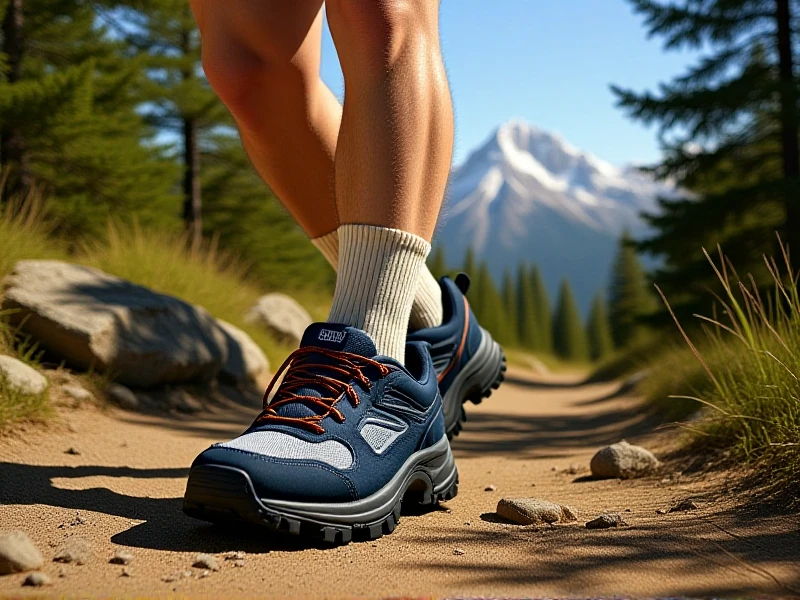
Next, consider the terrain you frequent. Road running shoes prioritize lightweight cushioning optimized for pavement or tracks. Conversely, trail runners demand aggressive lugs for grip, reinforced toe guards for rocks and roots, and often extra stability for uneven ground. Choosing the right surface-specific design significantly enhances traction and protection. How often do you switch surfaces? Maybe a hybrid model is your answer.
What makes running shoe technology special? Innovation is relentless. Modern cushioning systems like responsive foams (e.g., Nike React, Brooks DNA Loft, Adidas Boost, VentureRun's SwiftFoam™) aim for a perfect balance: soft landings without sluggish energy return. Lightweight, breathable knit uppers mold to the foot for a snug, irritation-free fit that avoids blisters often caused by stiff materials. Brands utilize air pockets, gel capsules, carbon fiber plates, and intricate geometries in the midsole – all engineered for better performance and comfort over miles.
Don't underestimate fit. Always measure both feet in the evening (feet swell!), and size up 0.5 to 1 size from your regular footwear for crucial toe wiggle room. Width is equally vital; avoid shoes squeezing the sides of your forefoot. A secure heel lock prevents slippage without pressure.
Key Takeaways for Finding Your Running Shoes:
- Foot Type & Arch: Match support (neutral, stability, motion control) to your arch.
- Running Surface: Prioritize road, trail, or hybrid designs based on where you run most.
- Cushion & Tech: Decide your preference: soft plush, firm responsive, or something in between. Consider tech features beneficial to your goals.
- Perfect Fit: Ensure ample toe length and correct width. A proper thumb's width space at the front is essential.
Investing time in selecting your running shoes pays dividends in comfort and longevity in the sport. It's the cornerstone gear that directly impacts your stride's efficiency and your body's well-being. Ready to lace up with confidence? Take a moment to understand your feet and needs before hitting 'add to cart'.
P.S. Unsure about your arch? Sit down, place both feet firmly on paper, trace their outline, and look for the inward curve near the middle. This simple test offers valuable insight before heading online to browse the latest running shoes from brands you trust. Happy running!