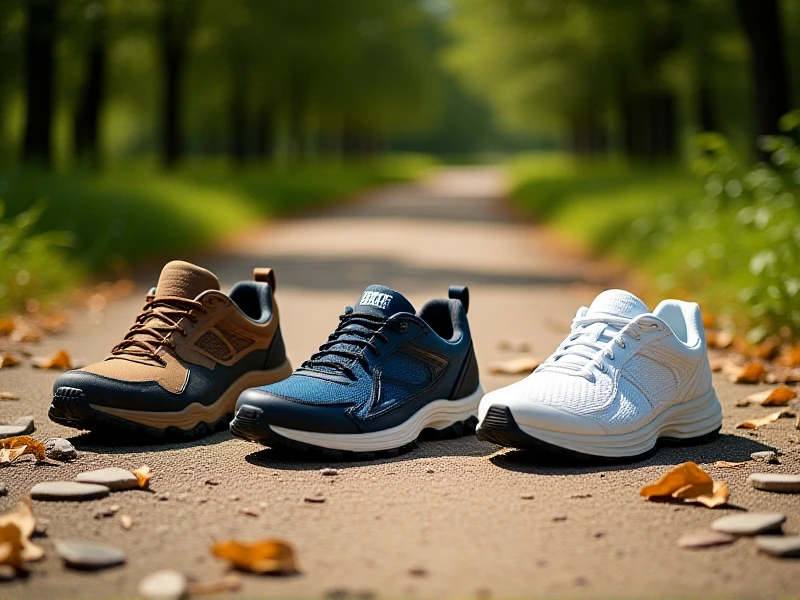
The Ultimate Beginner's Guide to Choosing Hiking Shoes
Finding the perfect pair of hiking shoes is essential for comfort and safety on the trails. With countless options available, selecting the right footwear can feel overwhelming. This guide breaks down the key factors to consider, empowering you to make the best choice for your adventures.
Terrain Dictates Type:
The trails you tackle determine your ideal hiking shoe. For smooth, well-maintained paths, lightweight hiking shoes or trail runners offer excellent flexibility and breathability. Rougher terrain with rocks, roots, and steep inclines demands sturdy hiking boots for enhanced ankle support and stability. Multi-day backpacking requires boots built to handle heavy loads.
Crucial Fit & Comfort:
Never compromise on fit. Hiking shoes should snugly hug your heel without slipping, provide ample toe room (about a thumbnail's width ahead), and accommodate natural foot swelling during long hikes. Always try them on wearing the hiking socks you plan to use. Walk on an inclined surface in-store if possible to test for pressure points. Remember—a thorough break-in period is vital to prevent blisters!
Key Features to Prioritize:
- Traction: Look for aggressive lug patterns on rugged, grippy rubber soles (like Vibram®). Deep lugs provide superior grip on mud and loose dirt.
- Waterproofing: Gore-Tex® or comparable membranes are essential for wet conditions, snowy trails, or early morning dew. They keep feet dry while allowing sweat vapor to escape. For hot, dry climates or fast-paced hikes, non-waterproof, breathable shoes dry quicker.
- Support & Cushioning: Adequate arch support and cushioning in the midsole absorb shock and reduce fatigue. Consider your weight and pack load—heavier loads require more robust cushioning.
- Durability: Reinforced toe caps, abrasion-resistant uppers (suede, leather, durable mesh), and solid construction ensure longevity. Quality saves money long-term.
Materials Matter:
- Leather: Durable, water-resistant, supportive. Best for rugged use and ankle support but requires break-in and is heavier. Full-grain offers maximum durability; split-grain is lighter but less water-resistant.
- Synthetics (Mesh & PU): Lightweight, breathable, quick-drying, and often more affordable. Ideal for day hiking and warmer weather.
- Hybrid: Leather/synthetic blends balance durability, weight, and breathability.
Don't Forget:
- Socks: Invest in quality merino wool or synthetic hiking socks to prevent blisters and manage moisture. Avoid cotton!
- Maintenance: Clean dirt after hikes and periodically apply waterproofing treatments to extend shoe life.
Popular & Reliable Brands:
Consider trusted brands like Merrell, Salomon, Keen, Oboz, Lowa, and Vasque, which consistently deliver quality construction and innovative technology.
Choosing the right hiking shoes isn't just about comfort; it’s about enhancing your trail experience and staying safe. Assess your needs, prioritize fit above all, and your feet will thank you mile after scenic mile. Visit your local outfitter like REI for personalized fitting assistance. Happy trails!