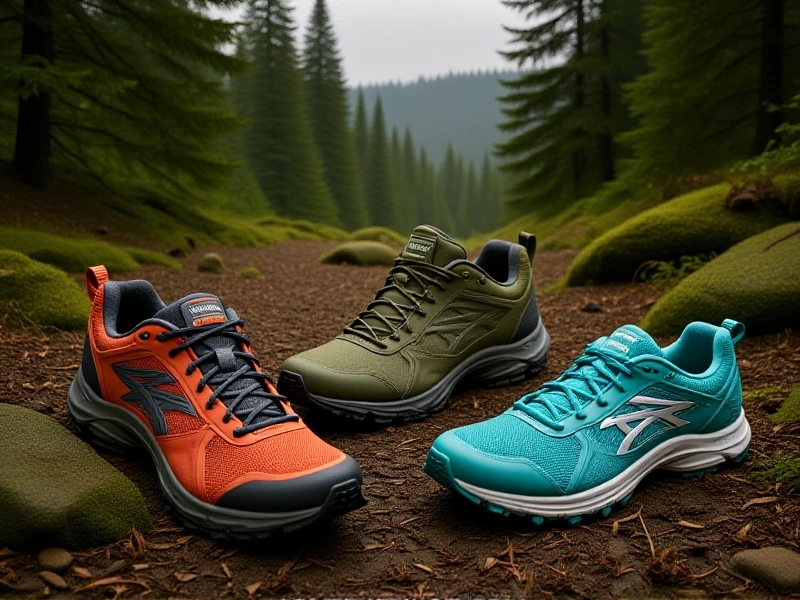
Unleash Your Stride: Finding Your Perfect Pair of Running Shoes
Picture this: crisp morning air, your favorite playlist, and the rhythmic sound of your feet hitting the pavement. That freedom and power come from one crucial element: the running shoes on your feet. They're not just footwear; they're your partners, your support system, and the foundation of every great run. Choosing the right pair is essential for performance, comfort, and injury prevention.
Why invest in true running shoes? Standard sneakers lack the specific engineering runners need. Dedicated running shoes offer:
- Targeted Cushioning: Absorbing impact with every stride, reducing stress on joints.
- Essential Support: Stabilizing your foot through its unique motion pattern, combating issues like overpronation or supination.
- Enhanced Breathability: Keeping feet cool and dry on longer efforts.
- Propulsive Design: Optimizing energy return to help you move more efficiently.
Finding your ideal match requires more than just picking the trendiest color. Consider these factors:
- Understand Your Gait: Your foot's natural movement is key. Visit a specialty running store for a gait analysis. Knowing if you overpronate, underpronate (supinate), or have a neutral stride guides you toward stability, neutral, or motion-control running shoes.
- Identify Your Terrain: Are you primarily a road warrior or a trail explorer? Road running shoes prioritize cushioning and speed on pavement. Trail running shoes feature aggressive tread for traction and protective elements like rock plates.
- Prioritize Fit & Feel: This is non-negotiable. Try shoes on in the afternoon when feet are slightly swollen. Ensure at least a thumb's width of space between your longest toe and the end of the shoe. Heels should be secure with no slippage. Walk, jog around the store. They should feel comfortable immediately – don't count on "breaking them in." Check the width; narrow or wide options exist for optimal comfort from miles 1 to 10.
- Consider Cushioning Level: Preferences vary from minimal, barefoot-like sensations to max cushioning that feels like running on clouds. Your weight, running style, and distance influence what works best.
- Material Matters: Most modern running shoes utilize lightweight, breathable mesh uppers for ventilation and comfort through sweaty miles.
Remember, running shoes aren't forever companions. On average, replace them every 300-500 miles. Worn-out cushioning loses its shock absorption, increasing injury risk. Listen to your body and the tread wear.
Ready to transform your runs? Step out the door not just with shoes, but with confidence. The perfect pair of running shoes unlocks smoother strides, longer distances, and the sheer joy of movement. Invest in your foundation, and let your feet fly! Follow us for more essential running tips and gear insights.