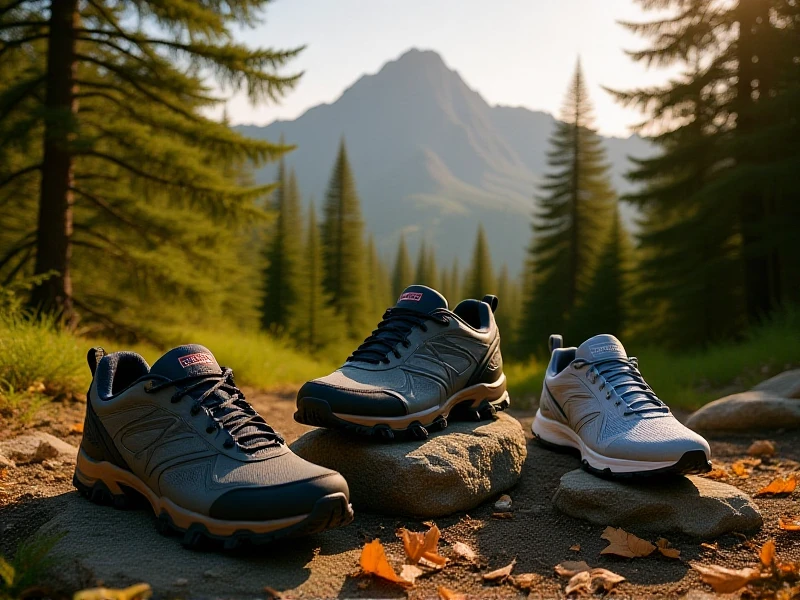
Choosing Your Sole Mate: The Ultimate Guide to Finding the Perfect Running Shoes
****
Finding the perfect pair of running shoes isn't just about style; it’s about unlocking your best runs, preventing injury, and achieving your fitness goals. The right running shoes act as a critical foundation, offering essential support, cushioning, and propulsion. With countless options flooding the market, how do you find your sole mate? Let’s break down the key factors.
Foundation First: Support & Cushioning Your individual biomechanics are paramount. Pronation – how your foot rolls inward upon impact – dictates the type of support you need.
- Neutral / Underpronators: Look for running shoes with good cushioning but less rigid stability features.
- Overpronators: Benefit significantly from running shoes with structured stability elements or motion control technology to guide the foot.
- Supinators (Underpronators): Require maximum flexibility and ample cushioning in a neutral shoe to absorb shock effectively.
Terrain Dictates Traction Where do you log most miles?
- Road Runners: Prioritize lightweight running shoes with smooth outsoles for excellent pavement grip and efficient energy return. Look for responsive cushioning.
- Trail Conquerors: Seek robust trail running shoes offering aggressive lugs for superior traction on mud, rocks, and roots, plus enhanced durability, toe protection, and often waterproofing.
- Treadmill & Track Users: A versatile, cushioned road running shoe usually suffices, focusing on smooth transitions.
The Goldilocks Fit: Weight & Feel The ideal shoe feels "just right" – snug but not tight, with ample room in the toe box.
- Toe Box: Ensure about a thumb’s width of space beyond your longest toe to prevent blisters and black toenails, especially during long runs as feet swell. Wiggle room is crucial.
- Heel & Midfoot: The heel should grip securely without slippage. The midfoot should feel supported, not pinched.
- Weight Matters: Lightweight running shoes favor speed and racing, offering a more natural feel. Heavier options typically provide more cushioning and stability, ideal for longer distances and daily training for many.
Expert Insight: Know Your Gait & Terrain Consulting experienced staff at a dedicated running shoe store for a gait analysis is highly recommended. Combining this analysis with a clear understanding of your predominant running surfaces – road, track, trails, or a mix – narrows your choices significantly. Trying on running shoes later in the day, when feet are naturally larger, wearing your usual running socks, is essential. Be honest about your mileage and goals – fitting a sprint interval shoe isn't the same as finding running shoes for marathon training.
Don't Delay Replacement! Even the best running shoes lose their shock absorption and support over time (typically 300-500 miles). Running in worn-out shoes dramatically increases injury risk. Listen to your body – renewed joint discomfort is often a sign you need fresh running footwear.
Investing time in selecting the right running shoes tailored to your unique physiology, running style, and preferred terrain is fundamental for a healthy, enjoyable, and successful running journey. The perfect pair empowers your stride mile after mile. Visit your local running specialty store to experience expert guidance and get properly fitted for your next essential piece of gear. Your feet will thank you!